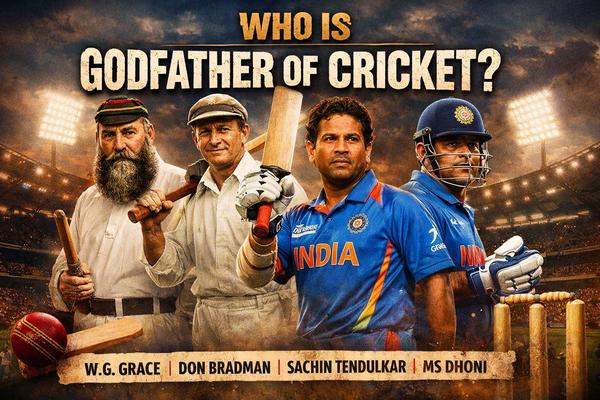
Who Is Godfather Of Cricket
Cricket fans have debated “who is godfather of cricket” long enough to fill a stadium twice over. Some people throw around the term like it has a rulebook definition. Others treat it like the most sacred fan debate in the sport. Whether you love Test cricket, ODIs, T20s, or simply respect the sport’s history, the idea of a “godfather” intrigues you. In this article, I will break down who gets that title and why it matters so much to fans and players alike.
Let’s be clear from the jump: no official body in cricket awards a “godfather” title. That means commentators, historians, and fans decide who deserves the label based on impact, legacy, and influence. Some legends deserve it more than others. Sit tight and read through because you will probably change your mind at least once before the end.
What Do People Mean By “Godfather Of Cricket”?
Imagine someone who didn’t just play cricket but changed cricket. That is the crux of the phrase. A godfather should have:
-
Massive influence on the sport’s evolution
-
Legacy that spans generations
-
Impact beyond statistics and records
-
Respect from peers, fans, and future players
That’s how people use “godfather” in cricket discussions. This article explores the major candidates and forces you to think about this term the way fans do.
Why There Is Confusion Around The Title
You might wonder why this discussion doesn’t settle on a single name. The simple reason: cricket has evolved over centuries, and different eras produced different giants. Fans of old-school Test cricket might answer differently from modern T20 lovers. Historians might prefer foundational figures, while statisticians lean toward record breakers.
Plus, different cricket cultures award the term differently. For some, the godfather must be a pioneer. For others, he must be a game-defining legend. The key thing to understand is that cricket doesn’t have a rule on this. Fans invented the title and fans decide its meaning.
Early Foundations: W.G. Grace – The Pioneer
Let’s start at the beginning. If you want a sense of how the sport became organized, competitive, and popular, you must talk about William Gilbert “W.G.” Grace.
W.G. Grace played cricket in England during the mid-to-late 19th century. His career spanned more than four decades. He did something most players never do: he dominated his era while also shaping how cricket was played and how people saw it. Test cricket started while he was still active, and he became a household name in England.
Grace didn’t just play cricket. He drew crowds, influenced batting techniques, and transformed a leisurely pastime into a public spectacle. He brought structure and excitement to the sport when it needed both. When you hear “godfather of cricket” in historical discussions, his name usually comes up first.
That influence earns him consideration as the original godfather figure. Grace’s innovations changed cricket so deeply that you can trace modern conceptslike aggressive batting and strategic playback to him.
The Stat Powerhouse: Sir Don Bradman
If Grace is the foundational figure, Sir Donald Bradman is the statistical giant. Bradman’s name rings out in cricket halls and trivia challenges for one reason: his batting average. It stands at a number few people believed possible: 99.94 in Test cricket. No other player even comes close.
What makes this special isn’t just the number. It’s the context. Bradman played cricket in an era before advanced training, video analysis, and protective gear that modern players take for granted. Yet he dominated like few others ever did.
Fans who argue Bradman as cricket’s godfather do so because:
-
He set the standard for batting excellence.
-
His performance inspired generations of professionals.
-
Players still benchmark their careers against his achievements.
In many cricketing circles, Bradman embodies the pure essence of batting mastery. Whether you love or hate his style, you can’t deny his seismic impact on the sport.
The Master Blaster: Sachin Tendulkar
In India, the term “God of Cricket” often accompanies discussions about Sachin Tendulkar. It’s no surprise that the same man also features heavily when people fish for a godfather figure. Tendulkar scored more international runs than anyone else in history. He also recorded the only 100 international centuries ever.
What makes Tendulkar’s case special is the cultural impact he had. Millions of young players in India grew up wanting to bat like him and wear his shirt. Sports analysts often emphasize:
-
His unmatched longevity and consistency.
-
How millions of fans saw him as cricket’s heartbeat.
-
His influence beyond the pitch in shaping Indian cricket culture.
It’s easy to argue that Tendulkar qualifies as a godfather figure for the modern generation of cricketers. You can see his fingerprints all over today’s playersespecially the ones from India and Asia.
The Modern Strategist: MS Dhoni
MS Dhoni doesn’t always pop up in every godfather debate, but he absolutely deserves to be part of it. Dhoni changed the way people captain and lead in modern cricket. He didn’t just score runs or take wickets. He changed the game through strategy, calm under pressure, and leadership in all formats.
Fans credit Dhoni for:
-
Winning major international titles under pressure.
-
Mentoring players who became stars.
-
Showing that leadership style matters as much as technique.
In an era where cricket expanded into global leagues and shorter formats, Dhoni remained relevant by constantly adapting. Some fans argue that today, Dhoni holds the modern cricket godfather title for how he shaped captaincy norms.
Other Legends In The Godfather Conversation
The beauty of this debate is that it invites nuance. It isn’t just four names. Other players also deserve serious mention when fans kick around the term:
Sir Garfield Sobers
Sobers didn’t just bat or bowl. He excelled at both. He was the ultimate all-rounder for West Indies cricket. Although some conversations treat him as a contender, others see him as part of the broader pantheon of legends who influenced cricket’s spirit.
Sunil Gavaskar and Kapil Dev
These two players defined Indian cricket in their eras. Gavaskar’s precision and mental strength helped India compete globally. Kapil Dev’s athleticism and all-around excellence inspired a generation. The fact that they show up in godfather discussions highlights how influence changes with context.
Emerging Modern Candidates
If you follow T20 leagues and franchise cricket closely, you’ve probably heard people throw names like Virat Kohli and Rohit Sharma into the godfather debate. These players haven’t been around long enough for historical weight, but their influence on modern formats gets mentioned.
The key takeaway here: “godfather” doesn’t have a single answer. It depends on what you value most in cricket.
Side Note: Why The Term Matters
Why do fans take this so seriously? Why isn’t it just a fun label like “greatest hair in cricket”? The answer lies in identity and storytelling. Cricket is more than runs and wickets. It’s a social phenomenon. It binds communities, cultures, and generations.
When fans debate who should carry the godfather tag, they ask deeper questions:
-
What qualities define greatness?
-
Who changed the game for future generations?
-
Which players shaped how we feel about cricket?
Those aren’t easy questions. That’s why legions of fans still argue about this every year.
Statistical Highlights Of Godfather Candidates
Below is a table with key career statistics for the major candidates discussed in this article. You can use this as a quick reference to compare impact and dominance across eras:
| Player | Era | Matches (Tests) | Runs (Tests) | Bat Avg (Tests) | Centuries (Tests) | Main Contribution |
|---|---|---|---|---|---|---|
| W.G. Grace | 1865–1908 | 22 | 1,098 | 32.29 | 2 | Pioneer, foundation of modern cricket |
| Sir Don Bradman | 1928–1948 | 52 | 6,996 | 99.94 | 29 | Unmatched batting excellence |
| Sachin Tendulkar | 1989–2013 | 200 | 15,921 | 53.78 | 51 | Record-breaking run scorer |
| MS Dhoni | 2004–2019 | 90 | 4,876 | 38.09 | 6 | Strategic leadership and calm captaincy |
| Sir Garfield Sobers | 1954–1974 | 93 | 8,032 | 57.78 | 26 | Legendary all-rounder impact |
All numbers here reflect official Test match performance. Remember, players’ true legacies often span beyond these raw figures.
The Debate Will Keep Evolving
I will say this clearly: the conversation around the godfather of cricket will never go stale. New fans will bring fresh perspectives. Historical research will uncover forgotten influences. And emerging stars will inspire debates of their own.
One thing stands out: cricket doesn’t belong exclusively to numbers or statistics. It belongs to people, memories, stories, unforgettable matches, and legends who stood tall in defining moments.
So next time you hear someone claim “X is the godfather of cricket”, ask them what they mean by that. You might discover how deeply they love the game.
Final Thoughts
At the end of all debates, titles like “godfather” reveal more about why we love cricket than who deserves the title. Every fan brings passion to the conversation, and every era offers unique greatness. Whether it’s Grace’s foundational genius, Bradman’s statistical dominance, Tendulkar’s emotional connection with millions, or Dhoni’s modern leadership, each contender leaves an indelible mark on cricket’s legacy.
So here’s a challenge for you: pick your own godfather and state your case next time you chat with fellow cricket fans. You might just hear a story that changes your perspective forever.